How to Reduce Material Costs and Ensure Safe Packaging?

Time:2026-06-04 Author:Oliver
0%

In today's competitive market, businesses seek to reduce material costs while ensuring packaging safety. Robert Smith, a leading expert in sustainable packaging solutions, once said, “It's possible to save money and protect products without sacrificing quality.” This statement highlights a critical balance that companies must achieve.

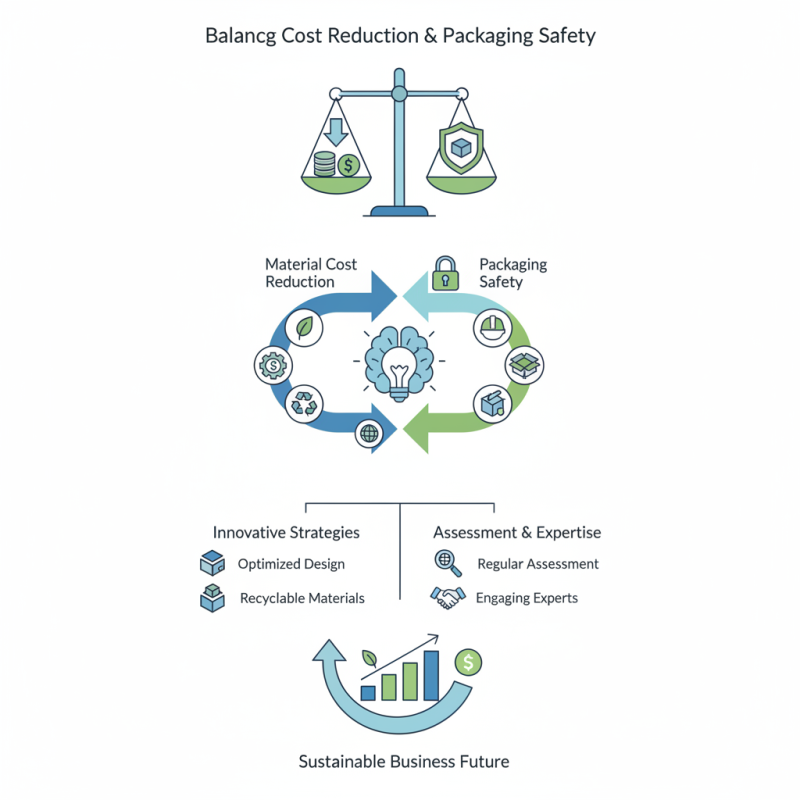
Many organizations overlook the potential for savings in material costs. They often focus solely on the safety aspects of packaging. However, innovative strategies can allow for both goals. Employing recyclable materials or optimizing package design are paths to explore. Each choice impacts the bottom line and the planet.

Adhering to regulations while being cost-effective is a challenge. Companies must regularly assess their packaging practices. Engaging with experts can guide advancements. Reflecting on packaging strategies is essential. Can your current approach really reduce material cost while ensuring packaging safety? The answer could shape the future of your business.
How to Reduce Material Costs and Ensure Safe Packaging?

Identify Key Material Requirements for Packaging Solutions

Identifying key material requirements is essential for effective packaging solutions. The choice of materials directly impacts cost, product safety, and sustainability. Start by assessing the specific needs of your products. Are they fragile? Require temperature control? Understanding these factors helps to narrow down your options.

Examining the characteristics of potential materials is crucial. For instance, plastics offer versatility and light weight, but may lack durability. Glass is safer but heavier and more expensive. Sometimes, mixing materials can provide an optimal balance, though this adds complexity. Each decision comes with trade-offs that may require further analysis.

Additionally, consider sourcing and supply chain reliability. Relying on a single supplier can lead to vulnerabilities. Diversifying sources reduces risk but complicates logistics. Making the right choice demands careful thought. Balancing cost, safety, and environmental impact is challenging, but crucial for long-term success in packaging.

Evaluate Cost-Effective Materials Without Compromising Quality

When evaluating materials for packaging, the focus should shift towards both cost-effectiveness and quality. Many businesses face the challenge of reducing expenses without sacrificing the product's integrity. One way to achieve this is by considering recycled or biodegradable materials. These options not only lower costs but also appeal to eco-conscious consumers. The shift towards sustainable materials can lead to significant savings in the long run.

However, it's essential to ensure that these cost-effective options provide adequate protection. Packaging should be durable enough to withstand shipping and storage conditions. A balance must be struck between price and performance. Testing different materials can uncover unexpected issues. For instance, a seemingly affordable option might crumble under pressure or fail to protect the product.

Moreover, engaging with suppliers can lead to valuable insights. They often have expertise in material alternatives that may not be immediately apparent. It’s vital to question whether current packaging meets safety standards. Regular audits of packaging practices can reveal inefficiencies. Reflecting on these processes can foster innovation while keeping costs in check. The goal is to create packaging that protects the product, appeals to customers, and remains cost-effective.

Implement Bulk Purchasing Strategies to Lower Costs

Bulk purchasing strategies offer an effective way to reduce material costs while maintaining safe packaging. Companies can negotiate better rates by buying in larger quantities. This not only cuts down on expenses but also streamlines inventory management. The key lies in choosing the right suppliers and establishing strong relationships. Good communication can lead to discounts and personalized service.

However, bulk purchasing is not without challenges. Misestimating demand can lead to surplus materials. Excess stock can increase storage costs and waste. It’s crucial to have accurate forecasts and flexible inventory systems. Products may also have varying shelf lives, requiring thoughtful planning. Ensuring that bulk materials are stored safely and responsibly is vital to avoid hazards.

Tracking expenditures becomes easier with bulk purchasing. This transparency helps identify cost-saving opportunities. Yet, some companies might overlook hidden costs like shipping and handling. It’s essential to evaluate the total cost of ownership. Evaluating these factors helps in crafting strategies that truly lower costs while guaranteeing safe and efficient packaging.

Develop Safe Packaging Techniques to Enhance Product Protection

Effective packaging is crucial for ensuring product safety. Proper techniques can significantly enhance protection during transit. For example, using cushioning materials like foam inserts or biodegradable fillers helps minimize movement within the package. Such measures reduce the risk of damage and maintain product integrity.

It's also essential to consider the materials used for packaging. Lightweight yet durable options can lower shipping costs. However, striking a balance between cost and safety is vital. Overly thin materials may compromise protection. Continuous testing of packaging solutions should be part of this process. Identifying weaknesses in packaging helps refine techniques and improve reliability.

Moreover, training staff on safe packing methods can lead to better outcomes. Employees need to understand how to package items properly. This knowledge can drastically reduce mistakes. Regular feedback sessions can help identify areas of improvement. Ultimately, fostering a culture of safety and quality in packaging practices contributes to overall efficiency.

Monitor and Improve Supply Chain Efficiency for Cost Reduction

Monitoring and improving supply chain efficiency is crucial for reducing material costs. A recent report by the Supply Chain Management Institute reveals that effective supply chain strategies can lead to cost reductions of up to 20%. Businesses often overlook this potential, focusing solely on procurement rather than holistic supply chain management.

Data accuracy is essential in supply chain optimization. A survey by the Institute for Supply Management found that 69% of organizations experience significant losses due to poor data practices. Regular audits and updates can mitigate these losses. Moreover, leveraging technologies like AI can enhance visibility across the supply chain, enabling timely decisions.

Sustainable practices also play a role. Companies that prioritize sustainability in their supply chains can save up to 30% in material costs, according to the Global Sustainability Report. However, transitioning to greener alternatives often poses challenges. Organizations must evaluate both short-term expenses and long-term benefits. Continual assessment and adaptation in supply chain processes are needed to thrive in today’s market.

FAQS

: Why is identifying key material requirements important for packaging?

: It influences cost, product safety, and sustainability. Understanding product needs helps determine suitable materials.

What factors should I consider when assessing materials?

Consider characteristics like fragility and temperature control. These details guide material selection effectively.

How do different materials compare in terms of safety and cost?

Plastics are lightweight but may lack durability. Glass is safer but heavier and often more expensive.

What’s the benefit of mixing materials in packaging?

Mixing can balance qualities but adds complexity. Trade-offs need thorough analysis for best results.

Why is supplier diversification important?

Relying on one supplier poses risks. Diverse sources reduce vulnerability but complicate logistics.

How can businesses evaluate cost-effective materials without losing quality?

Consider recycled or biodegradable options. They lower costs while appealing to eco-conscious consumers.

What should I test when selecting packaging materials?

Ensure materials provide adequate product protection. Test whether they withstand shipping and storage pressures.

How can suppliers assist in material selection?

Suppliers offer insights about alternatives. They can suggest options not initially considered by businesses.

What should businesses regularly assess related to packaging?

Regular audits can reveal inefficiencies. Reflecting on packaging practices fosters innovation and keeps costs low.

What is a potential issue when focusing solely on cost in packaging?

An affordable option might fail under pressure. Quality should not be compromised for lower prices.

Conclusion

To effectively reduce material costs while ensuring packaging safety, businesses must first identify key material requirements tailored to their specific packaging solutions. This involves evaluating cost-effective materials that do not compromise on quality, allowing for efficient product protection. Implementing bulk purchasing strategies can further drive down costs, enabling companies to benefit from economies of scale.

Additionally, developing safe packaging techniques is essential for enhancing product protection and maintaining consumer trust. By monitoring and improving supply chain efficiency, organizations can streamline processes, further contributing to cost reductions. Ultimately, a comprehensive approach focusing on both cost savings and packaging safety is crucial for sustainable success in today's competitive market.

Oliver

Oliver

Oliver is a seasoned marketing professional with a wealth of expertise in driving brand awareness and engagement. With a deep understanding of our company's product offerings, he consistently delivers high-quality content that enriches our professional blog. His insights not only shed light on......