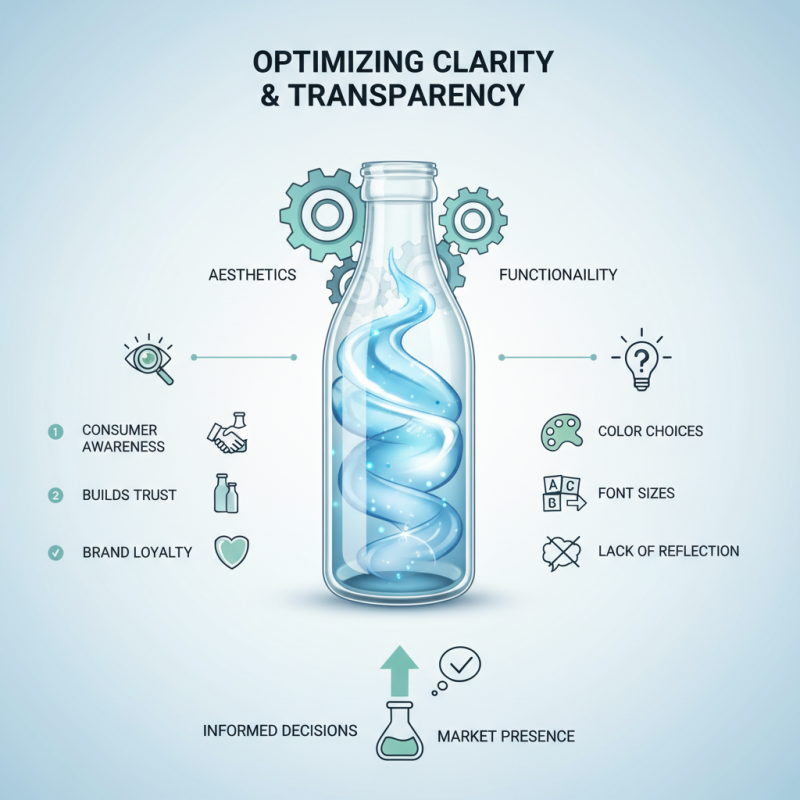
In today's competitive beverage market, brands must focus on packaging that stands out. One effective way to achieve this is to optimize clarity and transparency of beverage packaging bottles. Consumers are increasingly aware of what they buy. They demand to see the product clearly before making a purchase.
Clarity in packaging helps build trust. When consumers can see the beverage inside, they feel more confident in its quality. Transparent bottles are visually appealing and create a sense of honesty. This not only helps attract consumers but also encourages brand loyalty. Companies are challenged to find the balance between aesthetics and functionality.
However, not all brands have optimized their packaging effectively. Some struggle with color choices or font sizes, causing confusion. It’s crucial for brands to reflect on their choices and consider consumer feedback. By understanding the importance of clear and transparent packaging, beverage companies can make informed decisions that enhance their market presence.
In today's beverage market, clarity and transparency play pivotal roles in influencing consumer decisions. A study by the International Journal of Marketing found that 73% of consumers prefer products with clear labeling of ingredients and nutritional information. This preference reflects a shift towards informed purchasing, as consumers prioritize health and safety in their choices.
Translucent packaging often allows consumers to visually inspect the product. When people can see what they are buying, they tend to feel more confident in their choices. For instance, a survey showed that 65% of respondents would pay more for beverages that are packaged in clear materials. This reflects a growing trend focused on transparency in sourcing and production methods, which builds brand trust.
However, many companies still struggle with maintaining clarity and transparency. Misleading claims or vague ingredient lists can lead to consumer distrust. A study highlighted that 40% of consumers feel overwhelmed by complex or unclear packaging. Striking a balance between attractive design and straightforward information is crucial. It's a reminder that authenticity matters; consumers expect brands to uphold high standards in transparency.
Clarity in beverage packaging goes beyond aesthetics; it plays a crucial role in brand trust. Customers want to know what they are consuming. When a label is clear, it fosters understanding. This transparency can influence purchase decisions. Studies show that consumers are more likely to trust brands that provide straightforward information about their products.
Loyalty is rooted in trust. If customers feel they can rely on a brand, they are likely to return. For example, beverages that clearly state ingredients tend to build a loyal customer base. Clarity minimizes confusion and allows for genuine connections. If a brand misrepresents its product, it risks losing customer trust.
Tips: Use simple language on your labels. Avoid jargon that may confuse customers. Highlight key ingredients prominently. Ensure that expiration dates are easily visible. Regularly review your packaging for clarity and transparency. Address any unclear elements, even if they seem minor. Small details matter in building trust and loyalty.
Consumer preferences are rapidly shifting towards clarity and transparency in beverage packaging. Recent studies indicate that 75% of consumers favor products with transparent labels. They seek clear and concise information about ingredients. This desire stems from a growing awareness of health and nutrition. In fact, a report from the International Beverage Association shows that 65% of buyers are willing to pay more for beverages that offer complete ingredient transparency.
Moreover, younger generations are particularly vocal about these demands. Research by the Food and Drink Federation reveals that over 80% of millennials and Gen Z consumers want full visibility into product contents. They often use smartphones to scan labels while shopping. This behavior highlights the importance of packaging that communicates effectively. However, many brands still struggle to meet these expectations. Inconsistent labeling and vague ingredient lists cause consumer frustration. This gap in clarity may harm brand loyalty in the long run.
An emphasis on transparency can enhance brand trust. A survey conducted by Nielsen reported that consumers are 90% more likely to trust brands with clear, precise information. Nevertheless, not all companies are adapting quickly. Some still rely on traditional packaging methods, missing out on crucial consumer insights. As the market evolves, brands must take a hard look at their labeling practices. Ignoring these trends could leave them behind in a competitive landscape.
Clarity in beverage packaging is increasingly a focal point for regulatory bodies. Regulations often dictate the level of transparency required from manufacturers. This can include everything from ingredient listings to nutritional information. These guidelines ensure consumers make informed choices and help them understand what they are consuming.
One tip for companies is to invest in clear labeling. Use legible fonts and straightforward language. Avoid jargon that may confuse consumers. Highlight key information prominently to support quick decision-making. Remember that consumers trust brands that are open about their ingredients and processes.
Transparency can also be a double-edged sword. Brands may feel pressured to reveal too much. While consumers appreciate honesty, excessive details can overwhelm them. Striking a balance between clarity and simplicity is crucial. Focus on providing essential information that aids understanding without cluttering the label with unnecessary data.
Transparency in beverage packaging is becoming a vital aspect of consumer engagement. Many successful brands focus on clear labeling. They communicate ingredients effectively. This fosters trust and brand loyalty. For example, some companies detail sourcing practices. They share information about their environmental impact. These steps enhance consumer awareness.
One brand adopted an innovative approach. They created a “behind-the-label” feature. This allows consumers to scan a QR code. They can access in-depth details about each ingredient. This not only informs but also makes consumers feel involved. However, not all brands implement this well. Sometimes, vital information is hidden or unclear. This can lead to confusion and distrust.
Another notable case involves brands highlighting nutrition. They use simple graphics and clear text. This caters to health-conscious consumers. Yet, care must be taken to avoid overwhelming them with details. Finding the right balance is essential. Transparency should be genuine, not just a marketing tactic. Brands need to reflect on their practices consistently.
| Packaging Element | Transparency Level | Consumer Trust Score | Sustainability Rating | Sales Growth (%) |
|---|---|---|---|---|
| Label Clarity | High | 85 | A | 20 |
| Ingredient Transparency | Medium | 70 | B | 15 |
| Sustainability Claims | High | 90 | A+ | 25 |
| Recyclability Information | Medium | 75 | B+ | 18 |
: Clarity helps consumers make informed decisions. They prefer clear labels with ingredients and nutritional information.
A study found that 73% of consumers prefer products with clear ingredient labels when shopping.
Translucent packaging allows consumers to see the product, increasing their confidence and willingness to pay more.
Many consumers feel overwhelmed by unclear or complex packaging. About 40% report difficulty understanding labels.
Over 80% of millennials and Gen Z seek full visibility about product contents when they shop.
Brands with clear information are 90% more likely to gain consumer trust, according to a recent survey.
Some brands use vague ingredient lists or inconsistent labeling, which can frustrate consumers.
A brand implemented a QR code system that provides detailed ingredient information, enhancing consumer involvement.
Clear labeling must not overwhelm consumers with too much information. Balance is key to effective communication.
Transparency should be genuine. If perceived as a tactic, it may lead to consumer distrust.
Optimizing clarity and transparency of beverage packaging bottles is crucial for enhancing consumer decision-making and fostering brand trust and loyalty. Clear and transparent packaging allows consumers to easily understand the product contents and ingredients, leading to informed purchasing choices. Statistical trends indicate a growing preference for transparent labeling among consumers, which can significantly influence their perception of a brand.
Moreover, regulatory standards are increasingly emphasizing the need for clarity in packaging, pushing brands to adapt and meet consumer expectations. Case studies of successful brands demonstrate how leveraging transparency in packaging has not only improved consumer engagement but also strengthened brand loyalty. Ultimately, prioritizing clarity and transparency in beverage packaging is essential for brands to thrive in a competitive marketplace while building lasting relationships with their customers.

Rocket Packaging